Beyond the Surface: Understanding the Hidden Causes of Homelessness in Young Women
-
by
dashurjasite
- No Comments on Beyond the Surface: Understanding the Hidden Causes of Homelessness in Young Women
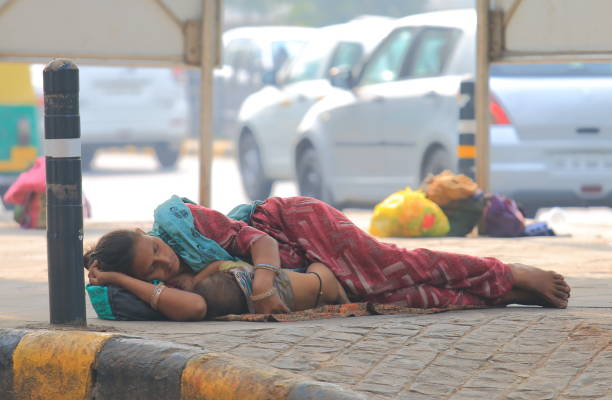
When we see a person experiencing homelessness, society often jumps to conclusions, blaming addiction, laziness, or personal failure. For young women, however, the path to the streets is almost always paved with trauma, systemic failure, and a profound lack of a safety net. To truly address this crisis, we must look beyond the surface and understand the deep-rooted causes.
1. The Cycle of Domestic and Familial Abuse For a staggering number of young women, “home” is not a place of safety but a source of danger. Domestic violence, emotional abuse, incest, and forced child marriages are primary drivers that force them to flee. With nowhere else to go and often blamed for the abuse they suffered, they find themselves on the streets—a choice made not out of defiance, but for survival. Family rejection, particularly for choosing a partner against their family’s will or for defying patriarchal norms, is another common and tragic reason.
2. The Traps of Human Trafficking and Exploitation Young women who are vulnerable, isolated, and economically desperate are prime targets for traffickers. Lured by false promises of jobs, education, or a safe place to stay, they are tricked and sold into forced labour or the commercial sex trade. Escaping this horrific exploitation often means running away with nothing but the clothes on their back, leading directly to homelessness and the immense psychological scars of their ordeal.
3. Economic Precarity and Lack of Opportunity Poverty is a relentless pressure. Without access to quality education or viable job skills, young women from marginalized communities face a future with few options. A family crisis, the death of a primary earner, or a sudden medical expense can be enough to push them out of their homes. Without financial independence or social support, they are left to fend for themselves in environments where they are constantly at risk.
4. The Silent Struggle with Mental Health Mental health is not a cause of homelessness, but it is deeply intertwined with it. The constant stress of poverty, abuse, and trauma can lead to severe depression, anxiety, and PTSD. Our society lacks accessible and affordable mental healthcare, especially for women. Without support, coping becomes nearly impossible, making it difficult to maintain housing, hold a job, or build stable relationships. Homelessness then exacerbates these conditions, creating a devastating cycle.
Conclusion: Homelessness among young women is not a simple issue of housing; it is a complex crisis of safety, justice, and health. It is the end result of systemic failures that abandon the most vulnerable. At Urja Trust, we don’t just see a homeless person; we see a survivor of abuse, a fighter who escaped exploitation, a young woman denied opportunity. Our work begins with understanding these root causes, allowing us to provide the holistic, trauma-informed care they need to truly heal and rebuild.